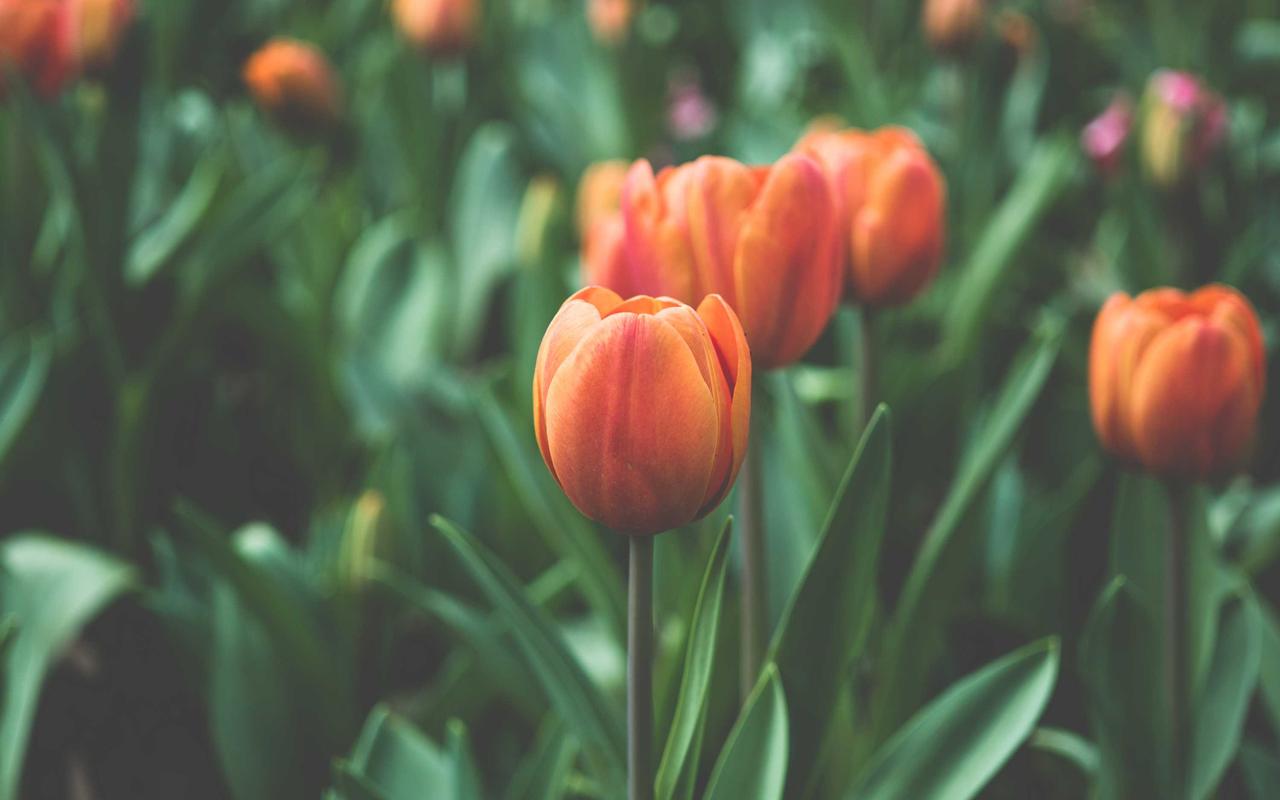
When to mist: a cheaper route
If you remember one thing: when to mist runs on process, not enthusiasm.


- Write the bad-day version in advance instead of deciding on the spot
- Fix only the step you fail at most, one change at a time
- Keep a long-spout watering can where when to mist happens, saving one trip and one hesitation
Let us set the limits of when to mist first: it reliably improves flowers across the year, and it does not deliver overnight. Anything promising results in three days deserves suspicion. Accepting that makes starting easier, because you stop waiting to feel ready.
Most people do not fail at when to mist from misunderstanding it. They fail because understanding is not doing. What follows is the doing part: the first action, how to arrange it beside the terrace trellis, and how to pick the week back up after it collapses.
Separate two things in when to mist: the outcome you want and the action you can sustain. When the gap is too wide, shrink the action instead of lowering the ambition.
What when to mist Really Asks of You
when to mist compounds, which means early flatness is part of the design rather than proof of failure. Understand that and you will not quit in week three, and so you will not miss the flowers across the year that starts showing in week six.
The logic of when to mist is plainer than guides suggest. Small repeated actions outproduce occasional heroics almost everywhere. fifteen minutes beside the terrace trellis looks trivial, yet four weeks of it turns into flowers across the year — usually noticed by other people first.
One underrated mechanism: the cost of when to mist falls as you repeat it. Week one you remind yourself; by week three it starts on its own; by week five skipping feels wrong. That is not willpower, it is the habit loop taking over, and the rot that follows one watering loses its grip.
- Every three months, delete one unnecessary step
- Put when to mist in a calendar slot, not on a to-do list
- Shorten the session before you skip it
- Tell one person and keep one visible log
- Keep a long-spout watering can where it is used, not where it is stored
when to mist From Zero
Spend five minutes staging when to mist before you start: set out what you need, move the clutter, put the phone in another room. Preparation beats effort, because the version of you who performs is usually tired.
If when to mist needs a tool, use the closest thing you already own for three attempts. Only then do you know what is actually missing, and only then will you avoid buying things you never use.
Attach when to mist to a specific trigger — not 'today' but 'after brushing my teeth' or 'the moment I put my bag down'. The more concrete the trigger, the less it depends on memory or mood.
- Tell one person and keep one visible log
- Review weekly, never per day
- Prepare a three-minute reset for interruptions
- Ten minutes a month: keep, change, delete
- Track one number; simple beats thorough
| Aspect | Tough drought-tolerant picks | Straight into beds | Perennial backbone |
|---|---|---|---|
| Still doable in June? | Breaks but recovers | Part of the routine | Habit, no thinking |
| Best for | Complete newcomers | People with some base | Long-term planners |
| Where people quit | Taking on too much | No fixed time | Judging single days |
| Time to start | First week is settling in | Give it a month | Under fifteen minutes |
Living With when to mist: From Awkward to Ordinary
The middle weeks taught me the real lesson: whether when to mist happened depended on the night before. The good days were not the motivated ones; they were the prepared ones. Motivation arrived late and found everything decided.
The notes also contain failures: two days with nothing, one day of going through the motions. Writing them down helped, because next time I recognised the situation instead of being surprised by it.
Week three brought a real urge to quit. Not because it was not working, but because I could not see an end. Changing the goal from 'get better' to 'twenty days this month' made it finishable, and the mood settled.
- Write the minimum version now, before the bad week arrives
- Fix the biggest friction point before adding anything
- Change one variable at a time and leave the rest alone
- Prepare a three-minute reset for interruptions
- When unsure, do less; continuity wins
Effort That Only Looks Like when to mist
Second trap: judging when to mist one day at a time. Missing a day is harmless; the story you attach to that day does the damage. Widen the review window to a week and emotion stops making the decision.
Eighth trap: only doing the easy part. Repeating the pleasant step and postponing the difficult one leaves when to mist exactly where it was six months later. Ask periodically which step you are avoiding.
A subtler trap: telling people about when to mist and collecting the credit early. Talking replaces doing, and the motivation is spent in advance. If you want progress, get two weeks in before you mention it.
What Keeps when to mist Running
Build a reset move: after three days off, run a three-minute version purely to reconnect the chain. The reset is not about results, it is about blocking the story that says the whole thing is over.
Once when to mist happens reliably, add depth rather than variety: a few more minutes of the same thing, not a new method. Familiar shape plus increasing depth is what turns flowers across the year from occasional to dependable.
Every two weeks, inspect the friction. Which step is most annoying, most avoided, most likely to be skipped? Fix only that one. Improvement is not an overhaul; it is repeatedly removing the sharpest edge.
when to mist is not a willpower problem; it is a process-design problem.
Questions People Ask About when to mist
Does when to mist need daily watering?
Mostly no. Judge by soil and roots, not the calendar. Water when the top two centimetres are dry.
How long before when to mist shows results?
Bedding plants in one to two months, woody plants by the season. Cuttings root in weeks; flowers often wait for the next cycle.
Do I need special compost for when to mist?
Depends on the plant. Most foliage and bedding plants use general potting mix; succulents and orchids need their own blends.
How do I prevent pests in when to mist?
Airflow first, spacing second, quarantine third. Remove physically before reaching for sprays.
If a plant dies, am I just bad at this?
Usually it is a mismatch between species and conditions. Switching to a tougher plant saves a year of trying.
Treat when to mist like housework: not something to do beautifully, something to finish. Finish it often enough and quality follows on its own.
Do not let when to mist become another source of pressure. It exists to make the week lighter; if it has become the worst line on your list, shrink the dose again.
Landscape design background in small spaces. More from Harriet Lowell →